Neelkanth Rishikesh – Neelkanth Mahadev Temple
Neelkanth Mahadev Temple is a revered Hindu shrine in northern India. It is about 30 kilometers from Rishikesh, in Uttarakhand. Neelkanth Temple is dedicated to Lord Shiva.
Nestled at about 1,330 meters in the lush forests of the Nar-Narayan range, the temple sits in dense greenery. It offers breathtaking views of the Himalayan foothills.
It stands near where the Madhumati and Pankaja rivers meet. This creates a calm, spiritual feel. It draws thousands of devotees and tourists each year.
People dedicate the temple to Lord Shiva, one of the principal deities of Hinduism. The name “Neelkanth” means “the blue-throated one.”.
According to Hindu mythology, gods and demons churned the ocean to get amrita, the nectar of immortality. A deadly poison called Halahala came out first. The poison was so powerful that it threatened to destroy the entire universe.
To save creation, Lord Shiva drank the poison, which turned his throat blue but did not harm him. People believe that Shiva meditated after consuming the poison, and the temple marks that sacred spot.
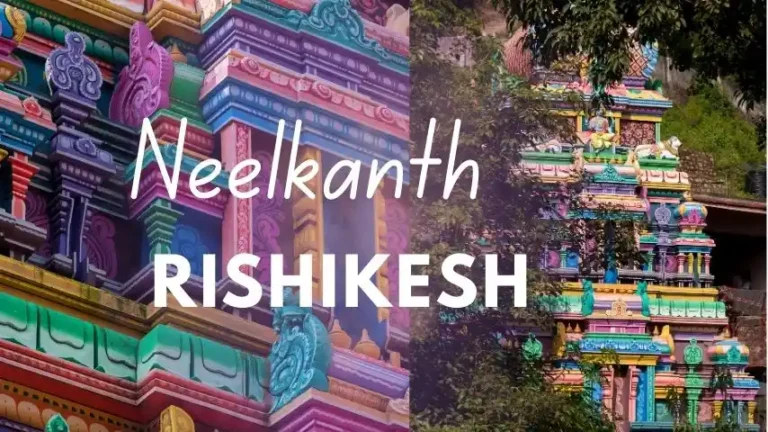
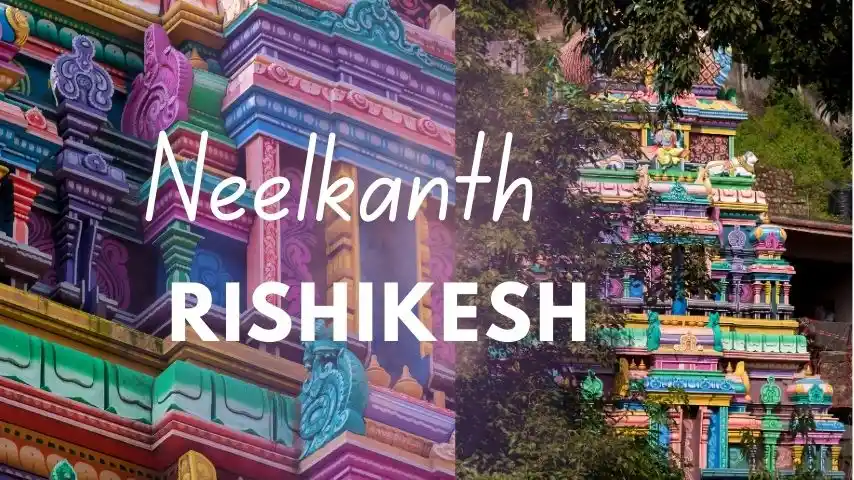
The architecture of Neelkanth Mahadev Temple is vibrant and symbolic. Colorful sculptures and intricate carvings depicting scenes from the Samudra Manthan adorn the temple’s entrance. The tall spire (shikhara) rises above the sanctum. The walls feature images of many Hindu gods and goddesses.
The sanctum houses a Shiva Lingam, which is the primary object of worship. Devotees offer water, milk, bel leaves, flowers, and other sacred items to the lingam while chanting prayers and mantras.
The journey to the temple itself is an enriching experience. Pilgrims can reach the temple by road from Rishikesh, passing through winding mountain paths and scenic landscapes.
Many devotees also choose to trek on forest trails. This is common during the holy month of Shravan (July–August).
During this time, thousands join the Kanwar Yatra on foot. During this time, the temple becomes a center of deep devotion and celebration. Chanting and rituals continue all day and night.
Neelkanth Rishikesh Mahadev significance
Neelkanth Rishikesh Mahadev Temple holds immense religious significance for followers of Shaivism. It is believed that visiting the temple and praying here can wash away sins. It can also bring peace, prosperity, and spiritual growth.
Major Hindu festivals such as Maha Shivratri and Shravan attract a massive influx of devotees from across India. On Maha Shivaratri, the temple staff decorates the temple beautifully and conducts special ceremonies to honor Lord Shiva. The atmosphere becomes vibrant with devotional songs, incense, and the ringing of temple bells.
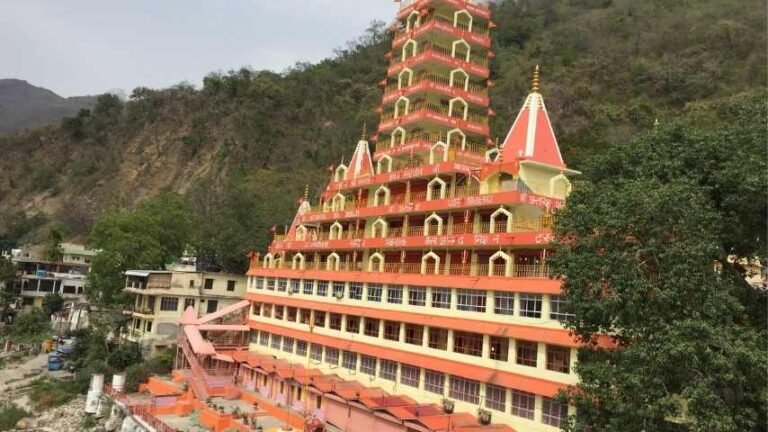
Apart from its religious importance, the temple is also a popular tourist attraction. The natural beauty of the surrounding forests, mountains, and valleys captivates visitors. The cool mountain air and tranquil environment provide a refreshing escape from city life.
The area around the temple has small shops and stalls selling prasad (offerings), souvenirs, and refreshments. Local eateries serve simple vegetarian meals, in keeping with the spiritual ambiance of the place.
The temple also reflects Rishikesh’s deep spiritual heritage. Many people call it the “Yoga Capital of the World.” Rishikesh itself is a major pilgrimage center situated on the banks of the sacred Ganga River.
Many pilgrims visit Neelkanth Mahadev Temple and stay in Rishikesh. They explore ashrams, attend Ganga Aarti ceremonies, and join yoga and meditation retreats. Together, these experiences offer both religious fulfillment and inner peace.
In recent years, people have worked to improve access and infrastructure at the temple. They also aim to protect its natural surroundings. They have improved roads and expanded facilities for pilgrims. However, the essence of the temple remains unchanged—a sacred sanctuary where devotion, mythology, and nature come together harmoniously.
In conclusion, Neelkanth Mahadev Temple stands as a symbol of faith, sacrifice, and divine protection. Its association with the legend of Lord Shiva’s blue throat gives it a unique place in Hindu mythology. Surrounded by scenic beauty and steeped in spiritual energy, the temple continues to inspire awe and devotion among visitors. Whether you visit for faith, culture, or the Himalayan views, Neelkanth Mahadev Temple offers a rich, unforgettable experience.
Rishikesh to Neelkanth Distance
The distance between Rishikesh up to Neelkanth Mahadev Temple is about 32 km (20 miles) by road.
- Time to travel: Around 1 to 1.5 hours dependent on road and traffic conditions.
- Route: Most people take the route from Rishikesh to Sitapur to Neelkanth Mahadev Temple.
- It passes through scenic Himalayan foothills and forest areas.
- Options for transportation:
- Private taxi/car: Most convenient and flexible in timings.
- Bus or shared taxis: Available from Rishikesh bus station, particularly during the holy season of pilgrimage.
- Route for trekking: Some devotees take the 9–10 km hike from a nearby village. They follow the Panchpuri and Guptkashi route. However, this option is more convenient.
The road is well maintained, but it winds a lot. Travel during daylight to stay safe and enjoy the scenic views.
Neelkanth Mahadev Temple Timings – Neelkanth Rishikesh
And build healthy habits. This is the time for darshan. Visit Shree Neelkanth Mahadev Temple in the Rishikesh region:
Neelkanth Rishikesh General Temple Timings
- Open daily: Approximately 5:00 AM – 6:00 PM most days.
- Numerous local guides and tourist sources consistently mention 5 am as the opening time.
- They also mention 6 pm as the closing time for darshan.
- No fixed entry fee exists. Darshan is usually free. Devotees may donate money or pay for special pujas.
Neelkanth Rishikesh Activity Schedule (Typical)
Although exact timings may differ by festival or season. The most common daily pattern is:
- Morning Opening: ~5:00 AM – 6:00 AM (peaceful early darshan)
- Main Darshan: Morning until around 12:00 PM
- Midday Interval/Bhog: Around 12:00 pm – 1:00 pm (some sources suggest the possibility of a brief break)
- Afternoon Darshan: ~2:00 PM – 6:00 PM
- Evening Aarti/Rituals: Often held from 6:00 PM to 7:30 PM on regular days. Times may vary by season and festival.
Take note. Neelkanth Rishikesh During major holidays like Mahashivaratri, the temple may stay open longer. It may also stay open longer during the holy month of Shravan (July–August). It may also add extra pujas or extend darshan times because of large crowds.
Neelkanth Rishikesh Tips for Visiting
- The most peaceful time to take darshan The early hours of the morning shortly following the gates open (around 5:00 AM-7:30 AM).
- Evening Aarti is a spiritual journey through chanting and bellstimings can change according to the time of year.
- Check local upon time of arrival The seasons and other events may affect the prayers to specific times.
Step‑By‑Step Driving Route From Rishikesh to Neelkanth Mahadev Temple
- We explore the fascinating world of the mind.
- We break down psychology concepts into simple steps.
- This is a step-by–step driving guide from Rishikesh to Neelkanth Mahadev Temple.
- It includes the most common landmarks you will see along the route.
Ideal for people who are new to the area.
Neelkanth Rishikesh – Step-by-Step Drive (29-32 km, ~1 – 1.5 hrs)
1. Start at Rishikesh Town
- Begin your journey in the town’s main area, near Laxman Jhula and Tapovan or Ram Jhula.
- These are famous places in Rishikesh, where many people start their day.
Landmarks:
- Laxman Jhula Suspension Bridge Famous iron bridge crossing the Ganga.
- Ram Jhula – another well-known pedestrian bridge and the local hub.
2. Turn Onto Neelkanth Road
- Follow signs for Neelkanth Mahadev Temple Road (towards Sitapur/Shivpuri direction).
- The road rises gradually to the valley below.
Neelkanth Rishikesh – What You’ll See:
- Dense green dense forests and hills across both the sides.
- Small local shops and streetside stands selling tea, snacks and souvenirs.
3. Pass Through Forested Hill Roads
- After you leave the city’s on the outskirts, drive along the winding mountain roads.
Neelkanth Rishikesh – Notable Points:
- Forest checkpoints may require vehicles to stop.
- The forest department or security staff run these.
- Keep your ID in your vehicle.
- Stream crossings and small bridges particularly during monsoon or post-rain season.
- The scenery gets less natural, and tranquil as you progress.
4. Reach Neelkanth Village or Parking Area
- About 30–32 kilometers from Rishikesh, the city is nearby.
- It is close to the parking area.
- The temple access pathway also starts nearby.
About practical tips you can apply in everyday life. From boosting confidence:
- You’ll see signs for the temple.
- Parking spaces, or even small roadside cafés and dhabas.
5. Final Short Walk to Temple Entrance
- After parking, you can take after parking, it’s a short hike uphill or a gradual climb up to the gate to the temple.
Neelkanth Rishikesh Tips:
- Typically, ways and steps run through the forest in the vicinity of the temple.
- Make sure to drink plenty of water and wear comfortable shoes. (Frequently requested by tourists.)
Summary of Key Route Points
- Start: Rishikesh (near Laxman Jhula / Ram Jhula)
- Then follow: Neelkanth Road – via the Sitapur/Shivpuri routes
- Road Conditions: Winding hilly road with beautiful views
- Parking Prior to temple entry area
- Distance: ~29-32 km by road
- Travel Time: ~1-1.5 hours
Tips for the Drive
- Begin early in the morning to stay clear of afternoon cloud or fog in monsoon and to see clearer skies.
- Taxi or car is the simplest to use. Public buses, shared Jeeps, and local buses also run from Rishikesh to Neelkanth.
- The drive is tranquil and scenic and many tourists stop for pictures or tea.